Understanding the Scope of Ocean Freight International Delivery
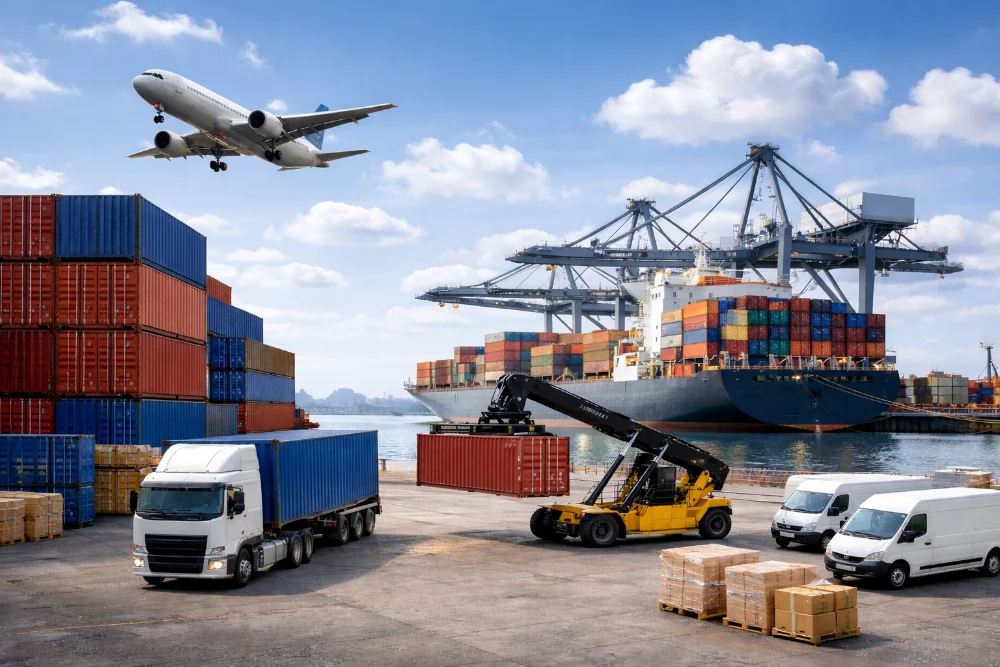
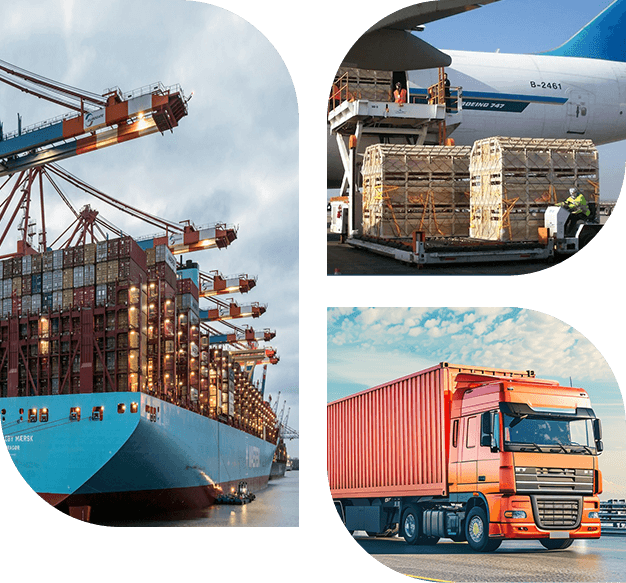
In the rapidly evolving global trade environment, ocean freight international delivery service plays a pivotal role in ensuring smooth cross-border operations. Companies engaging in China-U.S. trade, in particular, require reliable and integrated logistics solutions that extend beyond simple cargo transportation. Balance Logistics Inc. leverages two decades of industry expertise to provide a comprehensive network that encompasses ocean freight booking, customs clearance, and last-mile delivery. This integrated approach enables manufacturers and exporters to navigate complex international supply chains efficiently, minimizing delays and operational risks.
Global businesses benefit from a structured global ocean freight strategy that not only optimizes shipping costs but also ensures timely delivery. By combining LCL and FCL services, logistics providers can tailor solutions to cargo volume, product type, and delivery urgency, ensuring that each shipment meets customer expectations and regulatory compliance requirements.
Key Components of Efficient Ocean Freight Service
The foundation of an effective ocean freight service lies in careful planning, regulatory expertise, and robust operational infrastructure. At Balance Logistics Inc., these elements are meticulously integrated to create an end-to-end delivery ecosystem.
1. Cargo Consolidation and Ocean Freight Booking
One of the critical aspects of international shipping is cargo consolidation. Full Container Load (FCL) services provide exclusive container use for larger shipments, ensuring maximum security and minimal handling. Less than Container Load (LCL) options, meanwhile, allow smaller consignments to share container space efficiently, reducing costs for exporters without compromising delivery timelines. By leveraging both services, logistics providers can optimize space utilization and maintain flexibility in global ocean shipping schedules.
2. Regulatory Expertise and Customs Clearance
Navigating customs requirements is one of the most challenging aspects of international trade. Customs clearance involves documentation review, tariff classification, duty calculation, and compliance verification. Mistakes in any of these areas can result in delays, fines, or cargo seizures. Experienced logistics partners like Balance Logistics Inc. offer seamless customs support, ensuring shipments comply with U.S. and Chinese regulations. Advanced documentation processes, pre-clearance planning, and proactive communication with customs authorities are essential components of an efficient workflow.
3. Final-Mile Delivery and Warehousing
An effective ocean freight shipping strategy extends beyond port arrival. U.S. final-mile trucking services bridge the gap between ports and end customers, ensuring that goods reach their intended destination safely and on time. In addition, overseas warehousing facilities provide storage solutions, inventory management, and distribution support, enhancing supply chain responsiveness. Combining these services within a single network reduces handling errors and simplifies logistics coordination for global manufacturers.
Optimizing Global Ocean Shipping Strategies
For companies aiming to expand internationally, leveraging global ocean shipping networks offers significant advantages in both cost and reliability. Strategic planning begins with route selection, balancing transit time against freight charges and port accessibility. Major trade lanes, such as China-U.S., require specialized expertise to manage seasonal fluctuations, regulatory changes, and port congestion.
Advanced logistics providers integrate shipment tracking, inventory management, and predictive analytics to optimize cargo flow. By doing so, they can anticipate bottlenecks and adjust operations proactively. This not only improves delivery performance but also enhances supply chain transparency, allowing stakeholders to make informed decisions regarding production planning and inventory allocation.
| Shipping Service | Advantages | Considerations |
|---|
| FCL Ocean Freight | Exclusive container, faster transit, secure handling | Higher minimum volume, upfront booking required |
| LCL Ocean Freight | Cost-effective for small shipments, flexible scheduling | Longer transit due to consolidation, multiple handling points |
| Customs Clearance | Regulatory compliance, reduced risk of fines | Requires detailed documentation and accurate HS coding |
| Final-Mile Delivery | Direct delivery to client, integrated tracking | Dependent on local infrastructure and traffic conditions |
Sustainability and Risk Management in Ocean Freight
現代の海上貨物の国際配送サービスでは、環境への影響とリスクの軽減に注意を払う必要があります。コンテナ利用の最適化、出荷の統合、環境に優しい輸送会社の選択などのグリーン物流慣行は、二酸化炭素排出量を削減し、企業の持続可能性の目標に貢献します。
リスク管理は、保険適用範囲、貨物追跡、緊急時対応計画にも適用されます。自然災害、港湾ストライキ、地政学的緊張により、輸送スケジュールが混乱する可能性があります。予測リスク評価ツールを統合し、代替ルートを確立することで、物流プロバイダーは潜在的な遅延と経済的損失を最小限に抑えることができます。
統合によるサプライチェーンの効率向上
統合は、現代の海上輸送サービス設計の中核原則です。予約、通関、倉庫保管、ラストワンマイル配送を単一のプラットフォーム内で組み合わせることで、輸出業者は貨物の可視性と管理性を向上させることができます。リアルタイム追跡システム、自動文書化、同期スケジュールにより、業務効率が向上し、エラーの可能性が軽減されます。
Balance Logistics Inc. はこのアプローチを例示しており、安全、効率的、拡張性のある世界的な運営をサポートするシームレスな中国-米国物流ネットワークを構築しています。コアサービスの統合により、企業は自信を持って国際的に拡大できるようになり、サプライチェーンの断片化から起こり得るよくある落とし穴を回避できます。
結論
堅牢な海上貨物輸送戦略には、単に貨物を地点 A から地点 B に移動するだけでは不十分です。規制遵守、効果的な貨物管理、統合されたサプライ チェーン ソリューションに関する専門知識が必要です。包括的なサービス プロバイダーと提携することで、企業は信頼性、効率性、コストの最適化を実現し、最終的には世界展開の目標をサポートできます。
よくある質問
Q1: 海上貨物国際配送サービスにおけるLCLとFCLの違いは何ですか?
A: FCL は大量の貨物に専用のコンテナを提供し、より迅速な輸送と取扱いの削減を実現します。 LCL は他の貨物とコンテナスペースを共有するため、少量の貨物の場合は費用対効果が高くなりますが、混載により時間がかかる場合があります。
Q2: 通関は納期にどのような影響を与えますか?
A:遅延を避けるためには効率的な通関が不可欠です。適切な文書、正確な HS コード、当局との積極的なコミュニケーションにより、荷物が到着時に迅速に処理されることが保証されます。
Q3: 海上貨物の国際配送サービスにファイナルマイル配送を含めることはできますか?
A:はい、多くのプロバイダーはファイナルマイルのトラック輸送を統合して最終顧客に直接貨物を届け、サプライチェーンの効率を高め、取り扱いリスクを軽減しています。
Q4: 単一の統合物流プロバイダーを使用する主な利点は何ですか?
A:統合により、業務が合理化され、エラーが減り、エンドツーエンドの追跡が可能になり、在庫管理とリスク管理が向上し、シームレスな世界規模の配送エクスペリエンスが実現します。
Q5: 持続可能性は海上貨物輸送にどのような影響を与えますか?
A:最適化されたコンテナの使用、環境に優しい輸送ライン、混載輸送により二酸化炭素排出量が削減され、運用効率を維持しながらより環境に優しい物流慣行に貢献します。
 +86 13808855822
  Eメール:info@szbalance.com